Website Design
 development
 Growth



Modern brands can’t settle for just amazing Shopify stores. They need shops that look sharp, work fast, and make shopping easy—stores that actually drive growth, not just sit there looking great. Shopify’s become the go-to for brands that desire to build online stores that scale, convert, and keep up with what’s next. When you design and build a Shopify ecommerce website development the right way, it becomes a serious growth engine.
What Makes a Shopify Store High-Impact?
A high-impact Shopify store isn’t just about the basics. It’s got to blend design, performance, smooth user experience, and strong brand storytelling. People expect fast loading, easy navigation, mobile readiness, and a checkout that doesn’t make them jump through hoops.
And every move you make—every feature, every design choice—should tie back to your goals. Want more conversions? Hoping people buy more each time? Trying to build a loyal fanbase? Everything on your site should work toward that.
Brand-Centric Design Matters

Consistency and authenticity are everything for modern brands. A great Shopify store feels like your brand—down to the colors, fonts, images, and the way you talk. It’s how you stand out and build trust, especially when everyone’s fighting for attention.
The best stores are custom, built to tell your story. From the homepage to product pages, your design should guide visitors through an experience that feels both personal and effortless to use. That’s what turns someone who’s just browsing into a customer who keeps coming back.
User Experience Drives Conversions
UX makes or breaks your store. If shoppers hit a snag or the site drags, they’re gone. But nail the user experience, and suddenly everything feels smooth. People find what they require, they see the value, and checking out is quick.
Clean menus, obvious categories, solid filters, and a search bar that actually helps—these little things matter. When shopping feels simple, people stick around. Find things they didn’t even know they wanted, and most importantly, they buy.
Mobile-First: Non-Negotiable
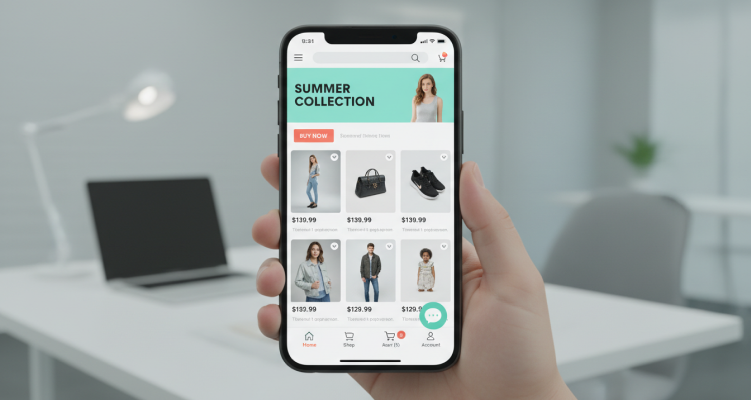
These days, everyone shops on their phones. If your store’s clunky or slow on mobile, people just leave. The best shops put mobile first—pages load fast, everything fits the screen, and buttons are big enough to tap without squinting.
Performance and Speed: Don’t Ignore It
Speed doesn’t grab attention, but it changes the game. If your Shopify store feels slow, people bail. Google notices, too, and your rankings take a hit. The best stores? They load in a flash, run without hiccups, and don’t buckle when tons of visitors show up.
This comes down to clean code, optimized images, lightweight themes, and using only the apps you need. The faster and more reliable your site, the more people stick around and buy.
Product Pages That Convert
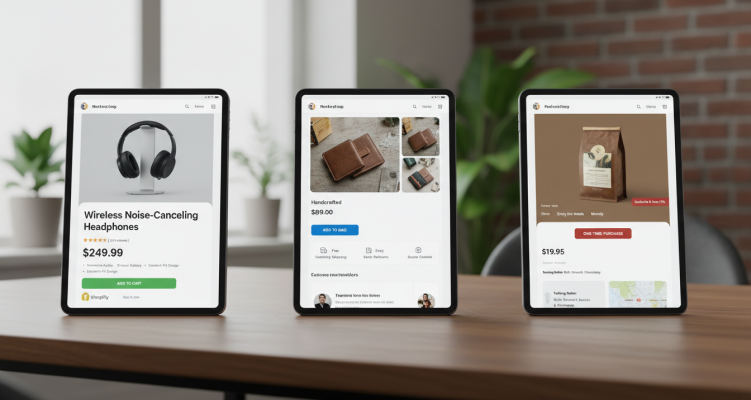
Product pages are where shoppers decide if they’re in or out. High-impact stores put real effort into these pages: crisp photos, clear descriptions, transparent pricing, and obvious calls to action.
Smooth Checkout, More Sales
Checkout is where it all comes together. Successful Shopify stores make it easy—plenty of payment choices, just the info you really need, guest checkout, and no last-minute fees popping up.
Security matters too. Shopify’s built-in protections reassure shoppers that their info is safe. When checkout is quick and secure, more people finish their purchase—and come back next time.
Scalability for Growing Brands
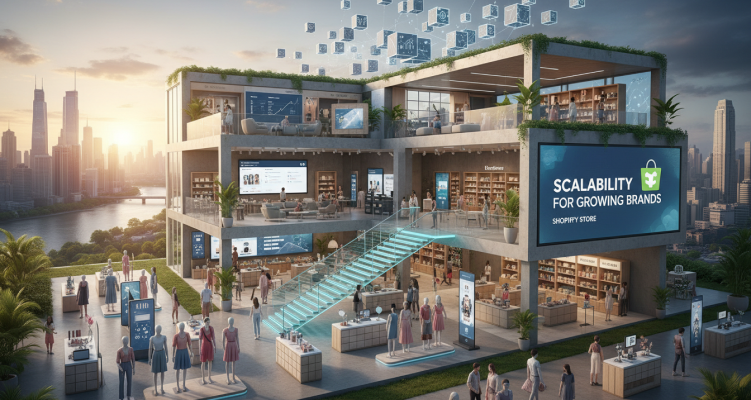
Shopify’s real magic is how it grows alongside you. The best stores built on Shopify don’t just look sharp right now—they’re ready for whatever’s next. Suddenly find your shop flooded with shoppers? Shopify just handles it. Everything keeps running smoothly, even as you level up.
You can tweak the setup, plug in new tools, and rearrange things without a fuss. That means less time wrestling with tech headaches and more time actually building your business. You won’t get buried in technical debt, either. Shopify makes it easy to set yourself up for wins that last.
Integrations and Automation for Efficiency
Running a modern online store means juggling many tools. High-impact Shopify stores link up with everything—marketing platforms, CRMs, inventory systems, analytics tools, you name it.
Automation is a lifesaver here. It handles order fulfillment, sends abandoned-cart emails, provides customer support, and more. When you automate the routine stuff, your team gets space to think bigger—on strategy, creative ideas, and building real connections with customers.
SEO and Visibility for Long-Term Growth
Let’s be honest: a beautiful store doesn’t mean much if nobody can find it. Smart Shopify development bakes SEO in from the start. That means clean URLs, snappy page speeds, sharp metadata, structured content, and a mobile-friendly design.
Data-Driven Decisions and Analytics
Modern brands run on data. High-impact Shopify stores come loaded with analytics that show you how shoppers behave, what’s selling, and which marketing moves actually work.
Dig into those numbers, and you can spot what’s working, fix what’s not, and keep making your store better. This isn’t a one-and-done deal—it’s about continually tuning your shop to match what customers want and how the market shifts.
The Role of Expert Shopify Development

Shopify is easy to use, but there’s a big difference between a basic store and one that really stands out. Expert developers know how to balance design, speed, elements, and growth potential. They customize themes, tighten up your code, and add advanced options you won’t get out of the box.
Conclusion
If you desire your brand to cut through the noise, scale up, and keep growing, you need a high-impact Shopify store. When you lock in your brand identity, create a great user experience, boost performance, and focus on converting visitors, Shopify stops being just another platform—it turns into your business engine.
These days, everything moves at lightning speed. The brands that put real effort into their Shopify ecommerce website development aren’t just pushing products. They’re connecting with people, building loyalty, and creating shopping experiences that stick in customers’ minds. That’s what true, lasting success feels like.