Website Design
 development
 Growth



HubSpot has emerged as one of the most trusted and widely adopted platforms, offering a comprehensive suite of tools for inbound marketing, automation, customer service, and sales enablement. However, to truly maximize the potential of HubSpot, businesses often need tailored solutions that go beyond standard functionality. That’s where “HubSpot development services” come in.
Why Businesses Choose HubSpot
Before diving into development services, it’s worth understanding why HubSpot has become such a vital tool for businesses worldwide.
All-in-One Platform: HubSpot combines marketing, sales, customer service, and operations tools in a single ecosystem. This eliminates the need for juggling multiple platforms and ensures seamless data flow across departments.
Inbound Marketing Focus: Unlike traditional advertising-heavy strategies, HubSpot champions inbound marketing—attracting customers through value-driven content, SEO, and engagement.
User-Friendly Interface: HubSpot is designed with usability in mind, making it accessible to marketers, sales teams, and developers alike.
Scalability: Whether you’re a startup or a large enterprise, HubSpot scales to meet your evolving needs.
Extensive Integration Options: HubSpot’s App Marketplace and API framework allow businesses to connect with other tools in their tech stack.
Despite these advantages, most businesses realize that the platform’s out-of-the-box features only scratch the surface. To unleash HubSpot’s full potential, development services become essential.
What Are HubSpot Development Services?

HubSpot development services encompass a range of specialized offerings designed to extend the functionality of the HubSpot platform. These services focus on customization, automation, and integration to ensure the platform aligns with specific business objectives. Common categories of HubSpot development services include:
1. HubSpot Website Development
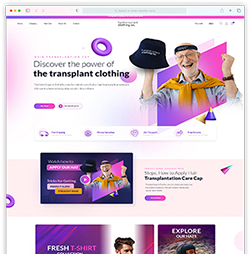
HubSpot offers its own CMS (Content Management System), which allows businesses to build and manage websites directly within the platform. Development services in this area include:
- Designing custom website themes and templates.
- Creating landing pages optimized for conversion.
- Developing dynamic content modules tailored to user behavior.
- Ensuring responsive, mobile-friendly design.
- A HubSpot-certified developer can create a website that not only reflects brand identity but also integrates seamlessly with HubSpot’s CRM, enabling advanced personalization and lead nurturing.
2. Custom Integrations
Most businesses utilize a range of tools, including payment gateways, ERP systems, analytics platforms, and communication apps. HubSpot development services include building custom integrations using HubSpot APIs to ensure smooth data synchronization across systems. Examples include:
- Connecting HubSpot with Salesforce, Shopify, or QuickBooks.
- Building real-time reporting dashboards.
- Syncing customer data across marketing and sales platforms.
- Custom integrations reduce manual effort, minimize data silos, and provide a 360-degree view of customers.
3. Marketing Automation Development
While HubSpot offers built-in automation, development services can extend these capabilities with tailored workflows and logic. Businesses can:
- Automate lead scoring and routing.
- Create personalized drip campaigns.
- Build event-triggered workflows (e.g., abandoned cart reminders).
- Automate reporting and KPI tracking.
- This level of customization ensures that businesses engage prospects at the right time with the right message.
4. Custom CRM Development
Every business has unique sales processes. HubSpot CRM development services involve customizing pipelines, deal stages, and dashboards to meet specific business needs. Developers can:
- Build custom properties and objects.
- Design sales workflows tailored to specific business models.
- Integrate predictive lead scoring and AI-based insights.
- This transforms HubSpot into a fully customized sales engine rather than a generic CRM.
5. HubSpot App Development

For businesses with highly specific needs, developers can create custom apps for HubSpot’s marketplace. These apps can enhance existing functionality or introduce entirely new capabilities.
6. Data Migration and Management
Migrating data into HubSpot can be a complex process. Development services help businesses securely transfer data from legacy systems without losing accuracy. Additionally, developers can set up automated processes to maintain data hygiene over time.
Benefits of HubSpot Development Services
Partnering with experts to customize and extend HubSpot’s functionality offers numerous advantages:
Personalized Customer Experiences
By leveraging custom modules, workflows, and integrations, businesses can deliver more tailored experiences that resonate with individual prospects and customers.
Improved Efficiency
Automation reduces repetitive tasks, while integrations eliminate data silos. Teams spend less time on manual processes and more time on strategy and engagement.
Scalability and Flexibility
Custom development ensures HubSpot grows with your business. Whether you need additional sales pipelines, complex workflows, or advanced analytics, the platform can be tailored to evolving demands.
Stronger ROI

Maximizing HubSpot’s capabilities leads to higher lead conversion rates, better customer retention, and improved operational efficiency—resulting in a stronger return on investment.
Competitive Advantage
Customized HubSpot solutions enable businesses to differentiate themselves in the marketplace, offering unique experiences that competitors may not be able to match.
Industries That Benefit from HubSpot Development
E-commerce: Integrating HubSpot with shopping platforms to automate abandoned cart reminders and personalized recommendations.
Healthcare: Creating secure workflows for patient communication and lead nurturing campaigns for healthcare services.
Finance: Developing custom dashboards for compliance tracking and client management.
Education: Building enrollment workflows, student engagement campaigns, and event automation.
Real Estate: Automating property listings, inquiries, and follow-ups within HubSpot.
The versatility of HubSpot development enables it to be adaptable across various sectors.
Choosing the Right HubSpot Development Partner
- HubSpot Certification: Ensure the partner is HubSpot-certified, which guarantees familiarity with the platform’s ecosystem and best practices.
- Technical Expertise: Look for experience in CMS Hub, HubSpot APIs, integrations, and custom module development.
- Industry Experience: Partners with prior experience in your industry will better understand your challenges and objectives.
- Portfolio and Case Studies: Review their past work to assess creativity, problem-solving skills, and results delivered.
- Support and Maintenance: Beyond development, ongoing support is essential to keep custom solutions updated and effective.
The Future of HubSpot Development

As HubSpot continues to evolve, the scope of development services is expanding. Some emerging trends include:
AI-Powered Solutions: Integrating AI tools into HubSpot for predictive analytics, chatbots, and personalized recommendations.
Advanced Reporting Dashboards: Building more granular, real-time insights for decision-making.
Deeper Third-Party Integrations: Connecting HubSpot with emerging platforms like Web3 tools, new e-commerce platforms, and advanced analytics software.
Custom Apps and Marketplaces: Growth in niche apps within the HubSpot ecosystem to address specific business needs.
These trends underscore the increasing significance of HubSpot developers in driving innovation.
Conclusion
HubSpot is one of the most powerful platforms for managing marketing, sales, and customer relationships—but out-of-the-box solutions can only go so far. HubSpot development services unlock the platform’s true potential, enabling businesses to create personalized websites, build custom integrations, streamline workflows, and deliver exceptional customer experiences.