Website Design
 development
 Growth




Among the many platforms available, Shopify stands out as one of the most popular, powerful, and user-friendly solutions for online store development. Whether you’re an entrepreneur launching your first product or a well-established brand expanding into new markets, Shopify offers a comprehensive set of tools to build, manage, and scale your business with ease.
In this article, we’ll explore the key advantages of “Shopify website development” including its ease of use, flexibility, scalability, and more—unpacking why it remains the platform of choice for millions of online retailers worldwide.
1. User-Friendly and Easy to Set Up
One of Shopify’s biggest strengths lies in its simplicity and accessibility. Unlike traditional website development, which often requires deep technical knowledge, Shopify enables virtually anyone to set up a professional online store without needing coding experience.
For developers, Shopify’s user-friendly nature also means less time spent troubleshooting backend issues and more time focusing on design, marketing, and customer experience.
2. Professionally Designed Themes
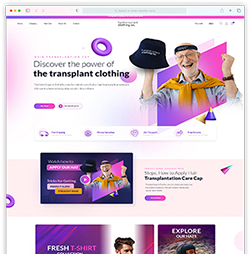
A visually appealing website can make or break an eCommerce brand, and Shopify makes it easy to create a beautiful, high-performing storefront. The platform offers over 100 professionally designed themes—both free and premium—that cater to a range of industries, from fashion and beauty to electronics and home goods.
For businesses without an in-house designer, Shopify’s theme store is a massive advantage. It provides ready-made, aesthetically pleasing templates that can be launched quickly, saving both time and cost.
3. Reliable and Secure Hosting

Security and uptime are crucial for any online business. Shopify eliminates the hassle of managing hosting, security certificates, or server maintenance by providing a fully hosted, cloud-based infrastructure.
This means your website benefits from 99.99% uptime, unlimited bandwidth, and automated SSL certification, giving customers peace of mind while shopping. Shopify also handles security patches, backups, and software updates, so merchants can focus entirely on running their business without worrying about technical vulnerabilities.
4. Extensive App Ecosystem
Shopify’s App Store is one of its most powerful assets. With over 8,000 apps and plugins, users can easily enhance their store’s functionality without needing custom development from scratch. These apps cover a wide range of categories, including:
- Marketing and SEO tools (e.g., Klaviyo, Omnisend, Plug in SEO)
- Inventory management and shipping integrations (e.g., ShipStation, Oberlo, Printful)
- Customer support (e.g., Tidio, Gorgias, Zendesk)
- Analytics and reporting extensions
5. Seamless Payment Integration
Payment processing can be one of the most complex aspects of running an online store. Shopify simplifies this with Shopify Payments, a built-in solution that allows merchants to accept major credit cards, digital wallets (like Apple Pay and Google Pay), and even local payment methods—without the need for third-party processors.
This frictionless payment setup enhances customer trust and improves checkout conversion rates—a critical metric for eCommerce success.
6. Excellent SEO and Marketing Tools

Driving traffic to an online store is as important as building it, and Shopify offers robust SEO and marketing features out of the box. Merchants can easily optimize product pages, meta tags, and URLs to boost search engine rankings. Shopify also automatically generates sitemap.xml and robots.txt files, helping search engines crawl and index the store efficiently.
Additionally, integrating with tools such as Google Analytics and Meta Pixel helps merchants gain valuable insights into visitor behavior, enabling data-driven marketing strategies.
7. Scalability and Performance
Whether you’re running a small boutique or a global brand, Shopify is designed to scale with your business. Its architecture handles everything from small traffic spikes to massive sales events.
This scalability means businesses can start small and expand effortlessly, avoiding costly platform migrations later on.
8. Strong Community and Expert Support
Shopify’s global popularity has created a vibrant ecosystem of developers, designers, and experts who continuously contribute to its growth. The Shopify Community Forums and Partner Program provide access to a wealth of tutorials, case studies, and technical advice.
This level of community engagement and customer service ensures that users are never left stranded—an invaluable asset for both newcomers and experienced developers.
9. Mobile-First and Future-Ready

With more than half of eCommerce sales now happening on mobile devices, Shopify’s mobile-first approach is a major advantage. Its themes are optimized for mobile responsiveness, ensuring seamless user experiences across smartphones and tablets.
Moreover, Shopify’s mobile app allows store owners to manage orders, update products, and track sales on the go. The platform also supports emerging technologies such as AR (Augmented Reality), 3D product visualization, and headless commerce, positioning businesses to stay ahead of future trends in online retail.
10. Cost-Effective Development
Compared to custom-built eCommerce platforms, Shopify offers an affordable, predictable pricing model. Its subscription-based plans bundle hosting, maintenance, and security—significantly reducing upfront development costs.
Developers and merchants can also leverage the built-in tools and themes to shorten development time. This efficiency translates into faster time-to-market and lower long-term expenses. Even for businesses requiring custom functionality, Shopify’s extensive API and development framework make customization more cost-efficient than building from scratch.
11. Multi-Channel Selling Made Easy
In today’s omnichannel environment, customers interact with brands across various platforms. Shopify enables merchants to sell everywhere from one centralized dashboard. Users can connect their store with:
- Social media marketplaces like Facebook, Instagram, and TikTok
- Online marketplaces such as Amazon and eBay
- Point-of-sale (POS) systems for physical retail locations
This unified selling experience allows businesses to manage inventory, sales, and analytics across channels seamlessly—saving time and increasing operational efficiency.
12. Continuous Innovation

Shopify’s commitment to innovation ensures that merchants always have access to the latest eCommerce technologies. From AI-driven features like Shopify Magic (for content creation) to advanced automation through Shopify Flow, the platform continuously evolves to meet the needs of modern retailers.
This focus on ongoing improvement keeps Shopify stores competitive and aligned with changing consumer expectations—something that’s vital in an industry where digital trends move fast.
Conclusion
Shopify has proven itself to be far more than just an eCommerce platform—it’s a complete ecosystem designed to empower businesses at every stage of growth. Its combination of ease of use, scalability, security, and extensive customization options makes it the ideal choice for entrepreneurs and enterprises alike.
From user-friendly design tools to robust backend performance and a thriving app ecosystem, Shopify website development provides everything needed to build a successful online presence. Whether you’re launching a new brand or transforming an established business, Shopify offers the flexibility, reliability, and innovation necessary to thrive in the digital age.