Website Design
 development
 Growth



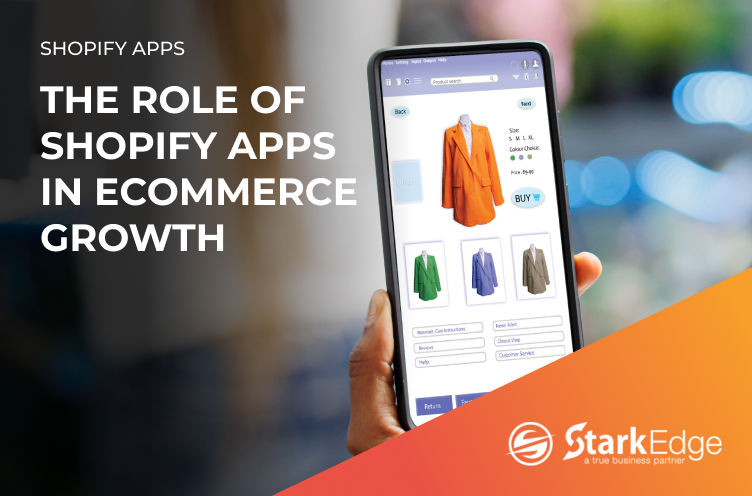
The eCommerce industry is evolving at an unprecedented pace. As consumer expectations grow and competition intensifies, businesses must seek innovative ways to enhance customer experiences, streamline operations, and drive sales growth. While having a functional online store is the foundation, success in eCommerce often comes down to how flexible, scalable, and adaptable your platform is. In this guide, you will gain detailed knowledge about the essential role that a “Shopify app development company” plays.
Shopify is one of the world’s leading eCommerce platforms, powering millions of businesses across industries. Its real strength lies not just in its user-friendly store builder but in its extensive app ecosystem that allows businesses to customize, extend, and scale their online stores. From marketing automation to inventory management, Shopify apps play a central role in driving eCommerce growth.
1. Extending Store Functionality
Out of the box, Shopify offers a comprehensive set of features for building and managing an online store. However, no two businesses are the same. A boutique fashion retailer will have very different needs compared to a large electronics distributor. Shopify apps bridge this gap by extending the platform’s functionality.
- Advanced product filtering and search
- Subscription and recurring billing models
- Personalized recommendations
- Multi-language and multi-currency support
- Customer loyalty and rewards programs
This flexibility ensures that every Shopify store can be tailored to meet specific business requirements, enabling faster growth and higher efficiency.
2. Enhancing Customer Experience

- In eCommerce, customer experience is a key differentiator. Shoppers expect intuitive navigation, personalized offers, and seamless checkouts. Shopify apps empower businesses to deliver these experiences effectively.
- Personalization apps suggest products based on browsing history.
- Live chat and chatbot apps provide real-time support, increasing customer satisfaction.
- One-click checkout apps reduce friction during the payment process, thereby improving conversion rates.
- Review and rating apps build trust and social proof, encouraging more purchases.
3. Streamlining Business Operations
Behind every successful eCommerce store lies efficient operations. From managing inventory to fulfilling orders, operational excellence is critical. Shopify apps help businesses streamline these back-end processes.
Some notable examples include:
- Inventory management apps that automatically sync stock across multiple channels.
- Order fulfillment apps that integrate with shipping providers for real-time tracking and shipping updates.
- Accounting and invoicing apps that simplify financial management.
- Dropshipping apps that automate sourcing, product imports, and supplier communications.
4. Driving Marketing and Sales Growth

- Marketing is the lifeblood of any eCommerce business. Without consistent traffic and engagement, even the most well-designed store will struggle to grow. Shopify apps provide powerful tools to enhance marketing efforts.
- Email marketing apps like Klaviyo and Omnisend enable automated campaigns and segmentation.
- SEO apps that optimize product pages and boost search engine rankings.
- Social media integration apps that connect stores with platforms like Instagram, Facebook, and TikTok.
- Retargeting and upsell apps that help increase average order value and customer lifetime value.
5. Enabling Scalability
As businesses grow, their needs evolve. What works for a small store today may not be sufficient when handling thousands of orders daily. Shopify apps ensure scalability by offering specialized tools for enterprises.
Analytics and reporting apps provide deep insights into performance and customer behavior.
Automation apps streamline repetitive tasks at scale, such as email follow-ups or stock updates.
This scalability is one of Shopify’s strongest advantages, enabling businesses to expand without needing to switch to a different platform.
6. Supporting Multi-Channel and Global Expansion

- Today’s eCommerce growth is not limited to a single channel or region. Businesses must sell across multiple platforms and cater to global audiences. Shopify apps make this transition seamless.
- Marketplace integration apps connect Shopify stores with Amazon, eBay, Etsy, and other platforms.
- Translation and localization apps enable the creation of multilingual websites and online stores for international customers.
- Multi-currency apps enable shoppers to view prices and make payments in their local currency.
- Global shipping apps simplify customs, duties, and international delivery.
7. Data-Driven Decision Making
Growth in eCommerce is not about guesswork—it’s about informed decisions. Shopify apps provide advanced analytics and reporting tools, enabling businesses to gain a deeper understanding of their customers and performance.
Analytics apps track metrics such as:
- Customer acquisition cost
- The lifetime value of a customer
- Conversion rates at each stage of the funnel
- Best-performing products and campaigns
With this data, businesses can refine strategies, eliminate bottlenecks, and double down on what works. This data-driven approach ensures sustainable growth and a competitive edge in the market.
8. Cost-Effective Customization

Traditionally, customizing eCommerce functionality required hiring developers to build features from scratch. This approach was not only expensive but also time-consuming. Shopify apps eliminate this barrier by offering plug-and-play solutions at affordable subscription fees.
For startups and small businesses, this democratizes access to advanced eCommerce tools. Instead of investing heavily in development, they can experiment with apps, pay as they grow, and upgrade when necessary. This cost-effectiveness allows businesses of all sizes to innovate and remain competitive.
9. Building Customer Loyalty
- Customer retention is as important as acquisition. Shopify apps play a critical role in building loyalty programs that encourage repeat purchases.
- Rewards apps that let customers earn points for purchases, reviews, and referrals.
- Subscription apps that enable recurring orders for products like food, cosmetics, or supplements.
- Post-purchase engagement apps that follow up with thank-you messages, discounts, and personalized offers.
- By nurturing long-term relationships, these apps increase customer lifetime value and create sustainable revenue streams.
10. Encouraging Innovation and Experimentation

The Shopify App Store is continually expanding, with new apps being launched regularly. This fosters innovation, allowing businesses to experiment with emerging trends. Whether it’s integrating AI-powered chatbots, leveraging AR for virtual try-ons, or adding voice search functionality, Shopify apps help merchants stay ahead of consumer expectations.
Conclusion
The role of a Shopify app development company in eCommerce growth cannot be overstated. They transform Shopify from a simple store builder into a powerful, customizable ecosystem that supports businesses of all sizes. From enhancing customer experience and streamlining operations to enabling global expansion and data-driven decision-making, Shopify apps provide the tools necessary for long-term success.
For entrepreneurs just starting, apps offer affordable and flexible solutions to grow quickly. For established enterprises, they provide advanced integrations and scalability to handle complex operations. In short, Shopify apps empower businesses to innovate, adapt, and thrive in the competitive world of eCommerce.